


How Postnatal Pilates Helps Restore Strength, Balance, and Confidence
Your body just accomplished an amazing thing. Women experience temporary physical weakness and balance problems, which last until their three-week post-delivery period ends.
The majority of new mothers in Singapore face difficulties because they do not know how to begin their post-pregnancy exercise routines. The core feels soft. A person experiences back pain. A person loses their self-assurance. Post-natal pilates exists specifically for this particular time period. The program starts from your current physical state and provides gentle assistance for your process of internal bodily restoration.
This guide explains the functioning of postnatal pilates and its benefits, and the procedures for safe practice.
What Is Post Natal Pilates?
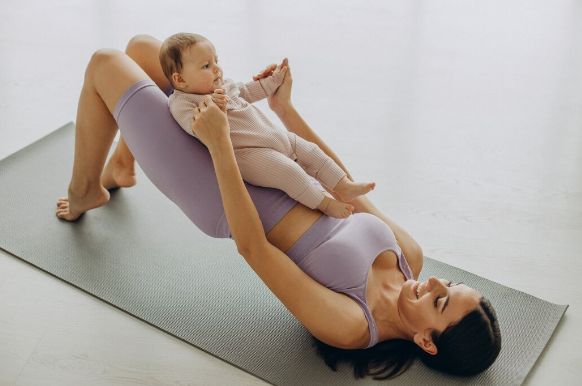
Postnatal pilates is a gentle exercise program which medical professionals designed for women who have recently given birth. The program helps women rebuild their deep core muscles and pelvic floor muscles, and body alignment, which were affected by their pregnancy and delivery.
The program allows your body to move according to its natural rhythm because it does not use traditional gym exercise patterns. Your body will heal better because the treatment supports your recovery process.
Most pilates classes are led by trained instructors who understand postnatal anatomy. The sessions maintain a low-impact level, which allows safe participation for new mothers during their initial weeks after childbirth, but medical approval should be obtained before beginning any activities.
Why Your Body Needs Targeted Recovery
Pregnancy causes extensive physical alterations to the body. The abdominal muscles experience stretching, which can lead to diastasis recti because of their separation.
The body undergoes permanent transformations after delivery, which will not return to its previous state without assistance. New mothers without proper assistance experience multiple challenges, which include:
● Lower back pain that lingers for months
● A feeling of weakness or instability when walking or lifting
● Leaking when coughing, sneezing, or laughing
● Poor posture from hours of feeding and holding the baby
Post natal pilates targets all of these issues in a safe, progressive way.
How Post Natal Pilates Helps You Rebuild
Postnatal pilates helps you gently rebuild strength, restore balance, and feel confident in your body again after birth.
Restoring the Core
Your core muscular system extends beyond your abdominal muscles. Your core encompasses muscles which function as deep spinal and pelvic stabilisers. The muscles experience both stretching and strength loss during the time of pregnancy.
Postnatal pilates uses breathing techniques and specific movements to reconnect you with these muscles. You need to learn how to activate them before you start lifting weights or increasing your workout intensity.
Strengthening the Pelvic Floor
The pelvic floor comprises multiple muscles which form the base structure of the pelvic area. These muscles provide structural support for three organs, which include the bladder, bowel and uterus.
Pilates integrates pelvic floor exercises, which extend beyond basic kegels with breathing and movement patterns. The program develops actual functional strength, which helps you lift your baby, ascend stairs and perform high-intensity workouts.
Improving Posture and Reducing Back Pain
Newborn feeding and baby carrying in arms and carriers, together with extended periods of awkward sitting, create stress on body alignment. New mothers develop rounded shoulders and forward head posture without their knowledge.
Post natal pilates focuses first on spinal alignment and shoulder movement abilities. Many women notice a real reduction in neck and upper back tension within just a few sessions.
When Can You Start Postnatal Pilates?
This depends on how you gave birth and how your recovery is going.
After a Vaginal Birth
Women can start performing light pelvic floor exercises and breathing exercises during their first two weeks after giving birth. The postnatal pilates class becomes suitable for you after six weeks because you will have finished your postnatal examination.
After a Caesarean Section
The recovery process needs an extended time period for completion. The six-week check-up begins your recovery process, but your instructor needs to know about your C-section so they can modify exercises appropriately.
Pre-Natal Pilates: Why Starting Earlier Makes a Difference
People who practice prenatal pilates, which involves Pilates exercises for pregnant women, gain physical benefits which prepare them for childbirth and delivery and labour. The program develops muscle strength needed for delivery while teaching breathing techniques and providing relief from pelvic girdle pain and lower back discomfort, which pregnant women commonly experience.
Women who practise prenatal during pregnancy often find that postnatal recovery is smoother. The body awareness and muscle memory carry over. Your core breathing capacity enables you to control your pelvic floor muscles as you execute deliberate movements.
You can use both prenatal pilates and postnatal pilates as two distinct training programs which together create a complete exercise system.
Simple Movements You Can Try at Home
Before joining a class, these are safe and gentle movements most postnatal women can begin with:
Diaphragmatic Breathing
The person should lie on their back while keeping their knees bent. The person should perform deep nasal breathing, which causes their abdominal area to expand.
The person should perform a mouth breathing exercise, which involves drawing their belly button toward their spine. The exercise needs to be done eight to ten times.
Pelvic Tilts
The person should use the same position to perform a pelvic tilt, which causes their lower back to make contact with the floor. The person should hold their position for one breath before they start to release it.
This exercise enables deep abdominal muscle activation without causing any physical difficulties.
Clam Shells
The person should lie on their side while keeping their knees bent and their feet together. The top knee should be opened like a clam shell while the feet remain in contact with each other.
The person should bring their knee back to the starting position after opening it. This exercise targets the glute muscles and outer hip muscles, which serve as important muscles for pelvic stability.
Conclusion
Postnatal pilates provides mothers with an effective method to recover their physical strength after childbirth. The system helps you build core muscles while it improves your balance skills and helps you perform daily activities. Your physical strength development leads to better balance skills and increased self-confidence.
The system functions effectively when combined with prenatal pilates because it provides a seamless transition from maternity through recovery time. Through proper guidance and pacing, you will establish a practice that brings you stress-free results, which you will continue to use in your daily life.
Frequently Asked Questions
How soon after giving birth can I start postnatal pilates?
Women can start doing postnatal pilates exercises two weeks after they give birth. Most women can start performing light breathing exercises together with pelvic floor exercises during the first two weeks after childbirth. Women who have given birth vaginally can start taking postnatal pilates classes after six weeks of delivery.
Is postnatal pilates the same as regular pilates?
The two exercise systems share fundamental principles; however postnatal pilates has been created specifically for women who have recently given birth. The program includes three components which address diastasis recti, pelvic floor rehabilitation needs and the physical requirements of new mothers.
Can postnatal pilates help with diastasis recti?
Yes. Postnatal pilates serves as the most effective method for treating and recovering from diastasis recti according to expert recommendations. The program teaches to restore their deep core muscles through exercises that achieve gradual abdominal gap closure without creating additional problems.
How many sessions does it take to see results?
Women typically experience improvements in their condition after completing four to six treatment sessions. Core strength and posture show visible changes after eight to twelve weeks of regular practice.


Comments